
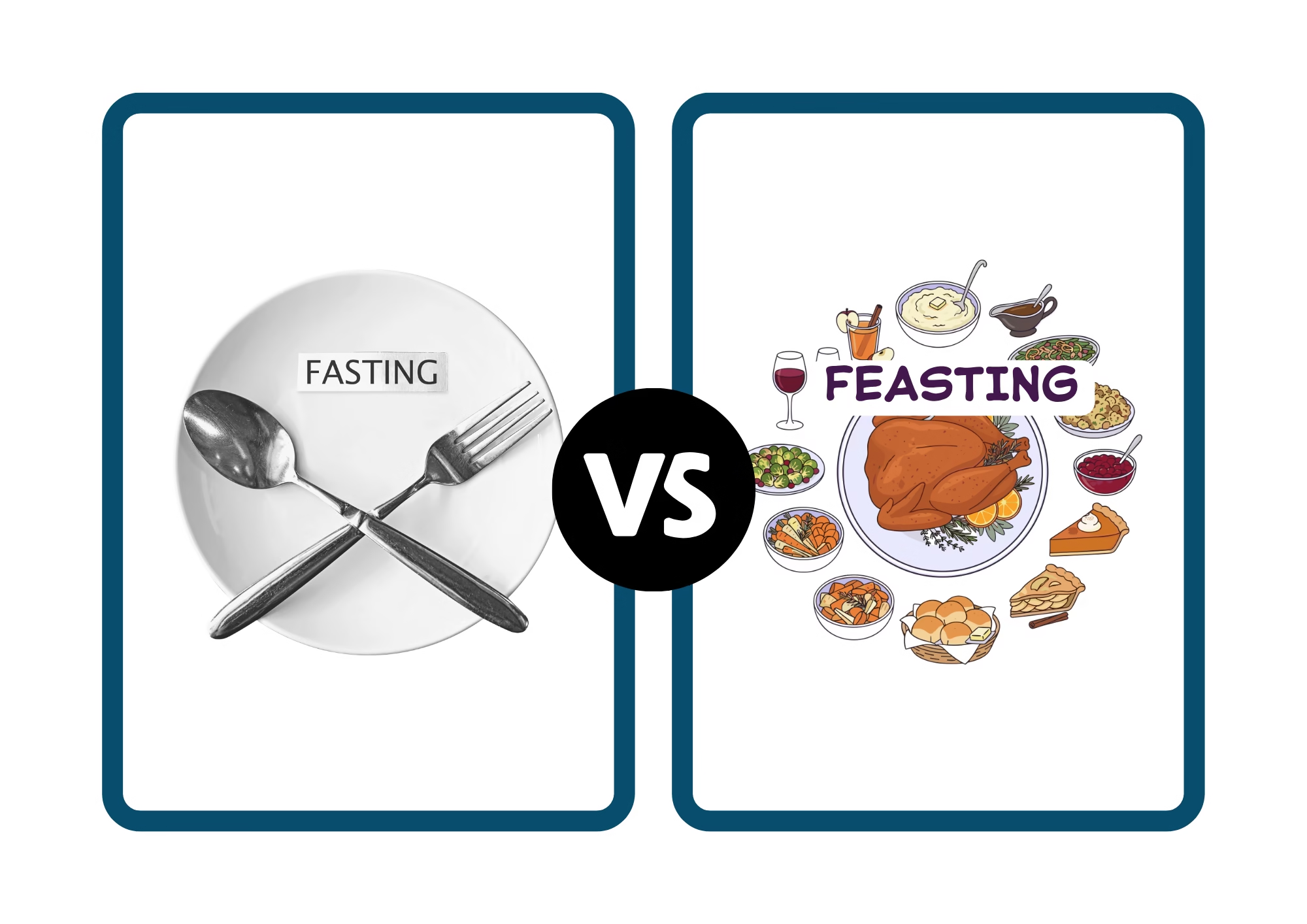

Saint Gregory of Nyssa on Gluttony and Self-Deception
In our spiritual lives, particularly during periods of fasting, the human ego often finds clever ways to turn ascetic struggle into a theatrical performance. We complain of exhaustion, invent ailments, and wear expressions of profound martyrdom—all while convincing ourselves we are practicing deep self-denial.
Long ago, Saint Gregory of Nyssa cut straight through this hypocrisy with characteristic pastoral precision:
“I blush at the gloomy countenance of the gluttons, who mourn over abstinence; they yawn continually, they accomplish little, they rise up again, and strive to spend their days in apathy. They fabricate stomach pains, gas issues, and heavy heads; yet these are the hallmarks of overeating, not of fasting.”
— St. Gregory of Nyssa
The Symptoms of Excess, Not Abstinence
Saint Gregory exposes a very common psychological trap: the illusion that a temporary shift in diet is making us physically ill. In reality, the lethargy, irritability, and physical discomfort we sometimes experience at the beginning of a fast are often the body detoxing from a lifestyle of overindulgence and poor habits (τῆς πλησμονῆς).
Instead of embracing the fast with a cheerful heart (“Anoint your head and wash your face”), we turn it into a burden, expecting praise for our supposed suffering.
True Fasting is Joyful
True Orthodox fasting is not designed to destroy the body, but to heal the soul and tame the passions. When approached with humility, prayer, and a spirit of thanksgiving, fasting brings inner lightness and spiritual clarity rather than endless complaints.
Let us check our hearts this season: Are we fasting for God with a joyful spirit, or are we putting on a performance for ourselves and others?