Why Does a Good God Allow Suffering?

Why does a good God allow suffering, illness, injustice, and even the death of innocent people? To understand this difficult question, we must distinguish between God’s will of good pleasure (κατ’ εὐδοκίαν) and His permissive will (κατὰ παραχώρησιν). Not everything that happens is something God desires or approves. Yet His goodness and providence extend far beyond our limited human understanding. Our ultimate purpose is not merely to enjoy a healthy and comfortable earthly life, but to attain the salvation of our souls and eternal communion with Him.

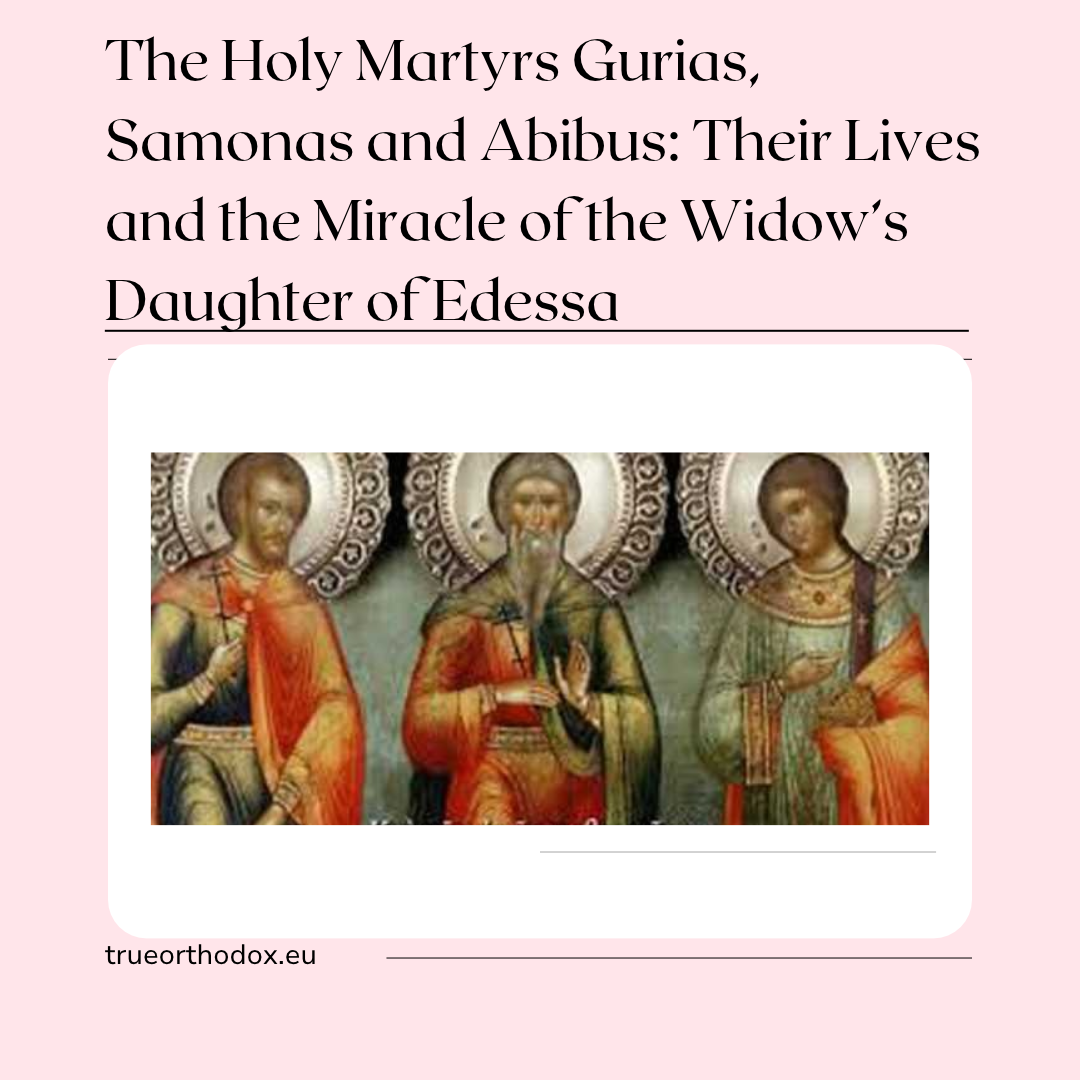
The Holy Martyrs Gurias, Samonas and Abibus: Their Lives and the Miracle of the Widow’s Daughter of Edessa

The Holy Martyrs Gurias, Samonas and Abibus are remembered not only for their courage in confessing Christ, but also for their miraculous protection of those who call upon them in faith. Among the most remarkable accounts associated with these saints is the deliverance of Euphemia, the daughter of a widow of Edessa, who was betrayed and left for dead far from her homeland. Through the miraculous intervention of the saints, she was brought safely back to her mother. Their story remains a powerful testimony to God's providence and to the intercession of His holy martyrs.

Humility: The Christian Virtue That Brings Peace in This Life and the Next

Humility is not merely a virtue that prepares us for eternal life; it is also a source of peace and security in our present existence. Reflecting on the teaching of St. John Chrysostom, we explore how humility diminishes envy, prevents unnecessary conflict, frees us from pride, and teaches us to live with gratitude and moderation. True Christian humility is not weakness, but an imitation of Christ Himself.

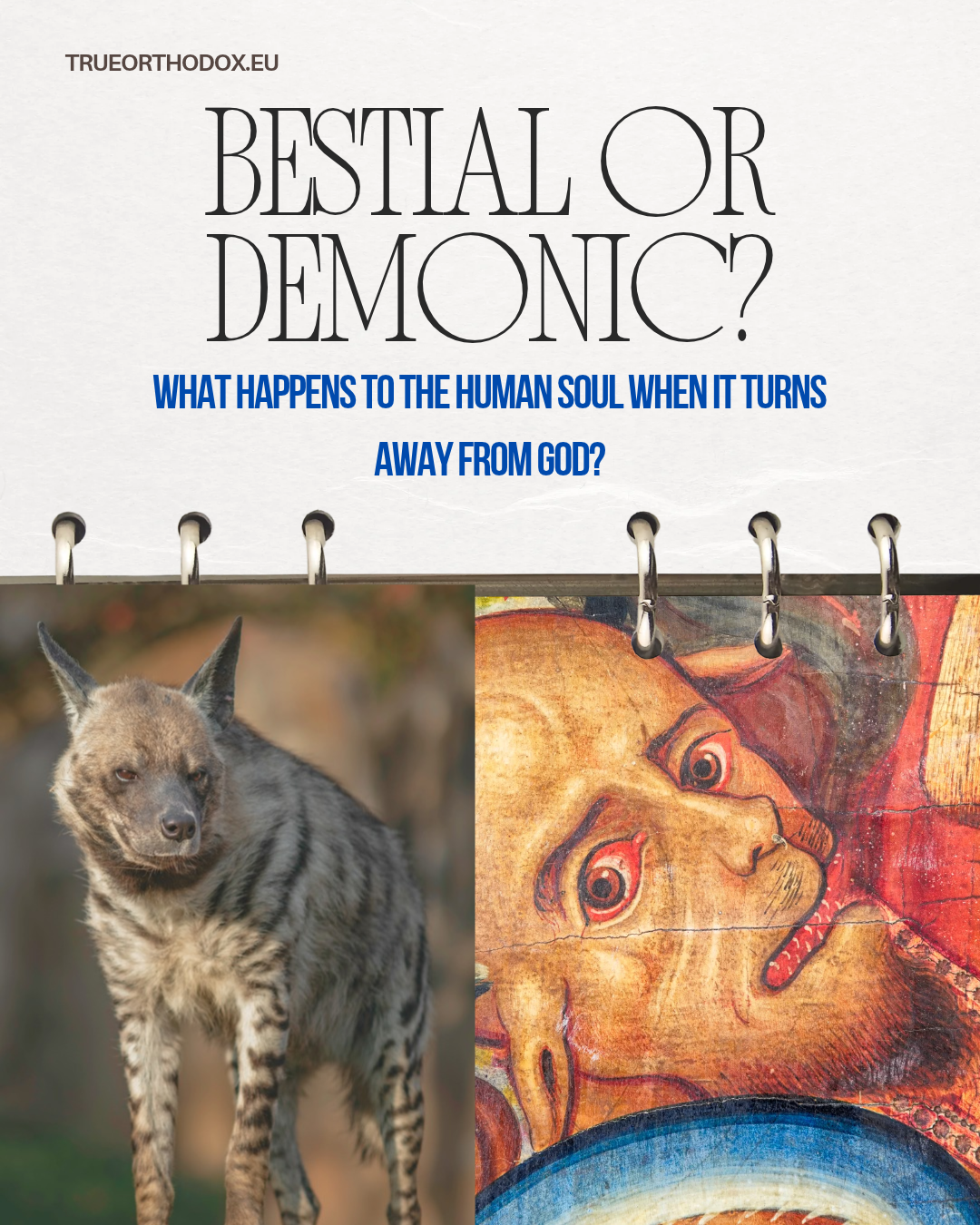
Bestial or Demonic?

What Happens to the Human Soul When It Turns Away from God The teaching of the ancient Fathers on the spiritual consequences of separation from God There is a short but extraordinarily profound saying found in the writings of the…

The Forgotten Art of Spiritual Watchfulness

Spiritual watchfulness, known in the Orthodox tradition as nepsis, is an essential foundation of the Christian life. The Holy Fathers teach us to guard our hearts, recognize the beginnings of temptation, resist sinful thoughts, and remain attentive to the presence of God. In an age of constant distraction, we must recover the forgotten art of inner vigilance through prayer, humility, repentance, and the remembrance of our Lord Jesus Christ.

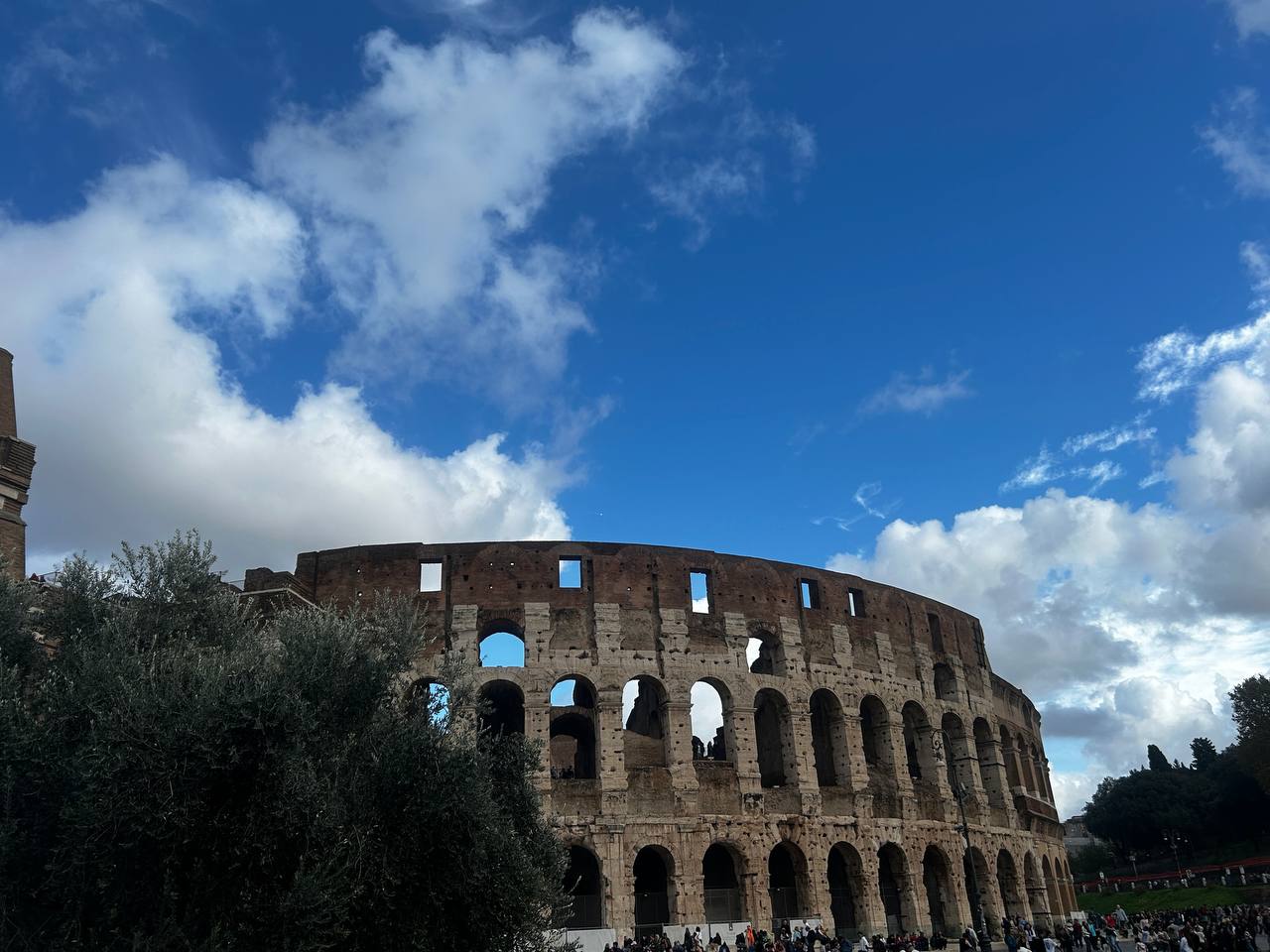
The Colosseum of Rome: Where the Glory of an Empire Meets the Witness of the Martyrs

The Colosseum of Rome stands as a monument to the power and brutality of the ancient Roman Empire. For Christians, however, it evokes the memory of the early martyrs who suffered rather than deny Christ. Beyond historical uncertainties about the precise location of individual martyrdoms, the witness of those holy men and women remains an eternal testimony to the victory of the Christian Faith over the powers of this world.

Assisi, October 2027: When All Religions Become One… Except the Truth

“A prayer meeting where nobody needs to believe the same thing, where one humanity worships many gods, and where religious indifference has apparently become the new religion!” How beautiful! Centuries of theological disputes, martyrs, confessors, and struggles to preserve the…