
Standing before the mighty Colosseum in Rome, one cannot help but reflect upon the countless human lives that were sacrificed for the entertainment of an empire, and upon the courage of those Christians who preferred death rather than deny Christ.
Among the most recognizable monuments of ancient Rome, the Colosseum stands as a remarkable testament to the power, ambition, and brutality of the Roman Empire. Its enormous arches and towering walls have survived centuries of earthquakes, destruction, neglect, and the passing of civilizations. Yet, for Christians, this monument carries a significance that goes far beyond its architectural grandeur.
It brings to mind an age when the Christian Faith was regarded with suspicion and hostility, when the confession of Jesus Christ could cost a person his life, and when countless men and women were called upon to choose between earthly survival and faithfulness to their Lord.
The Great Arena of Imperial Rome
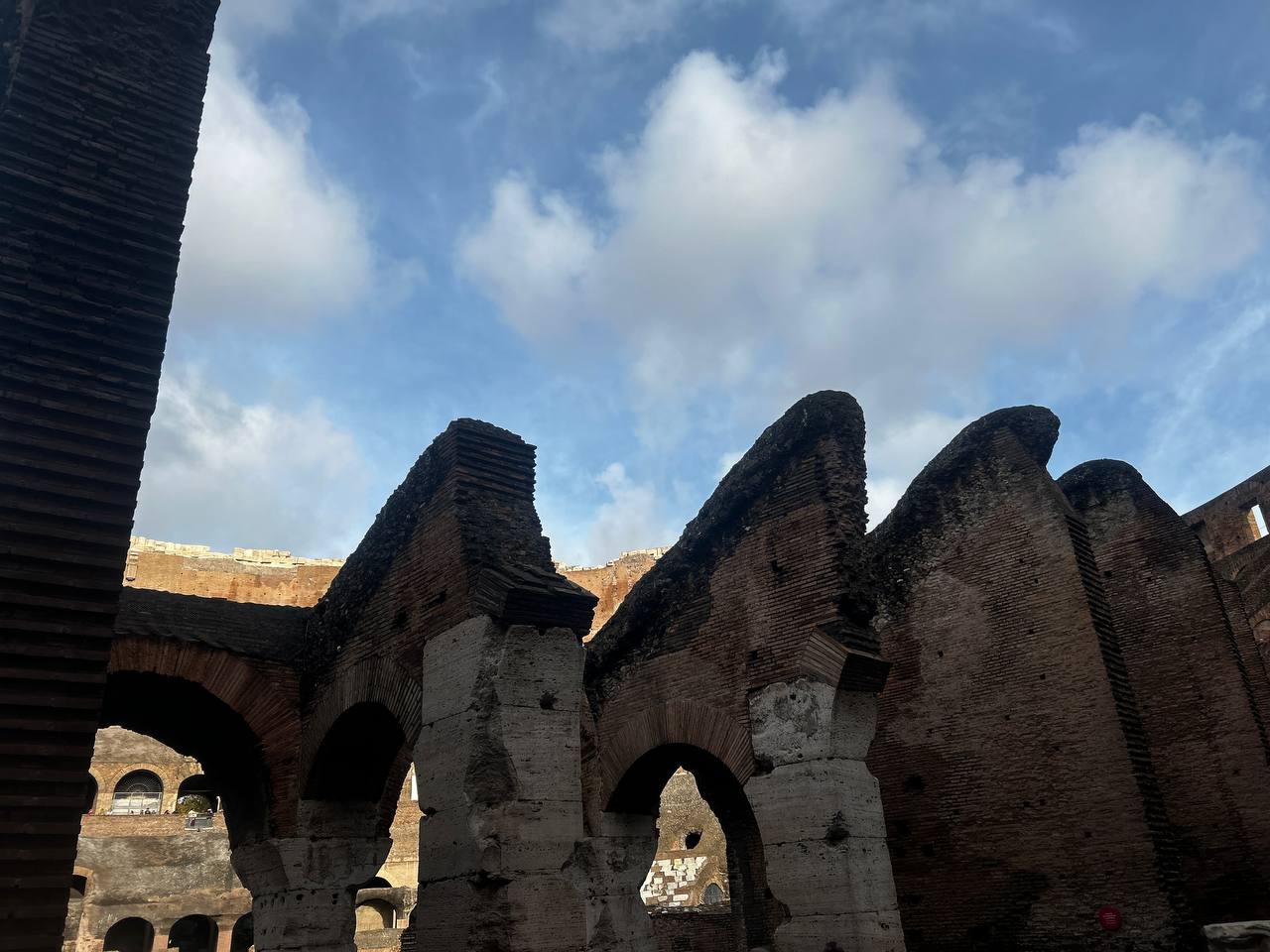
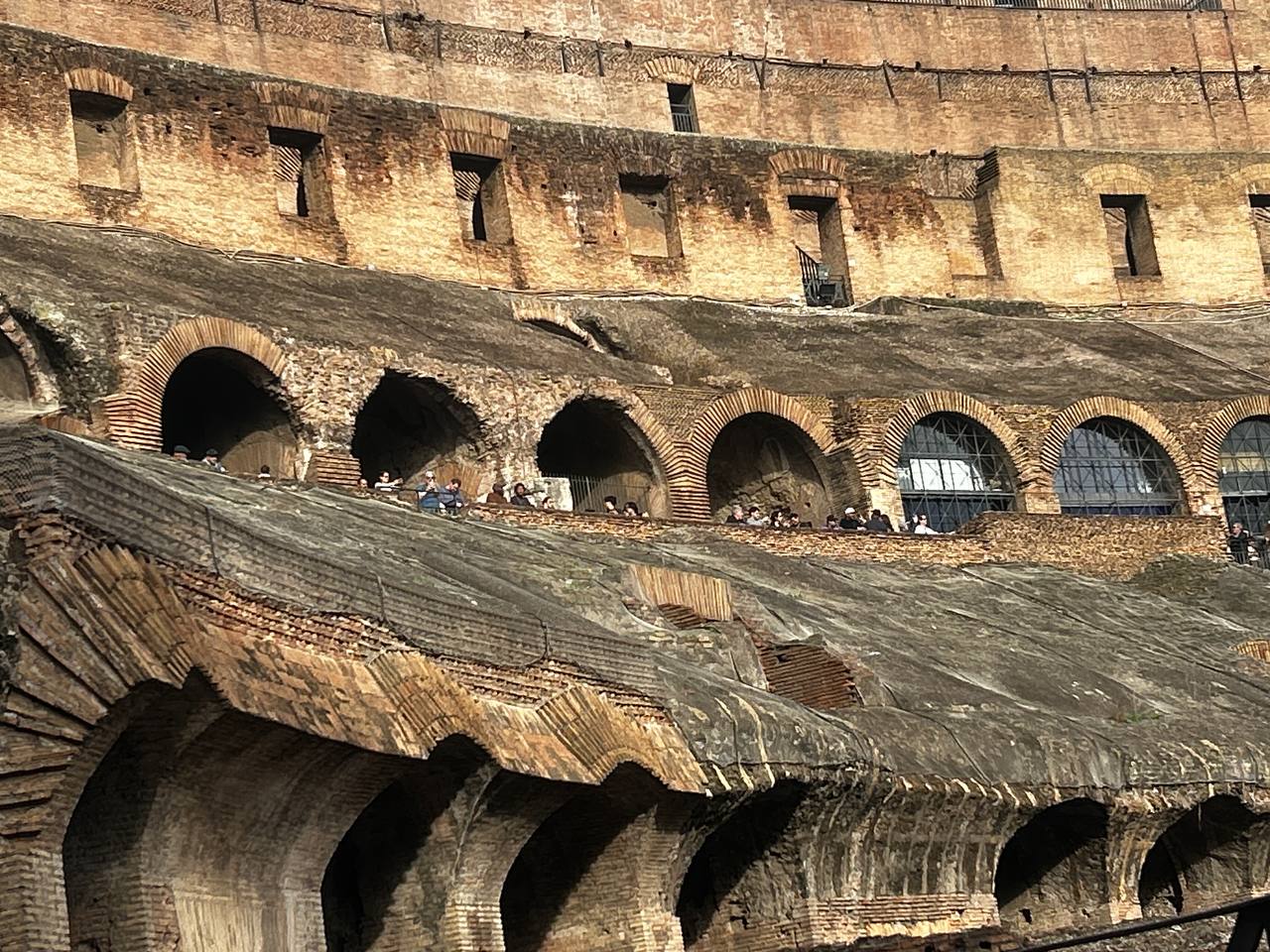
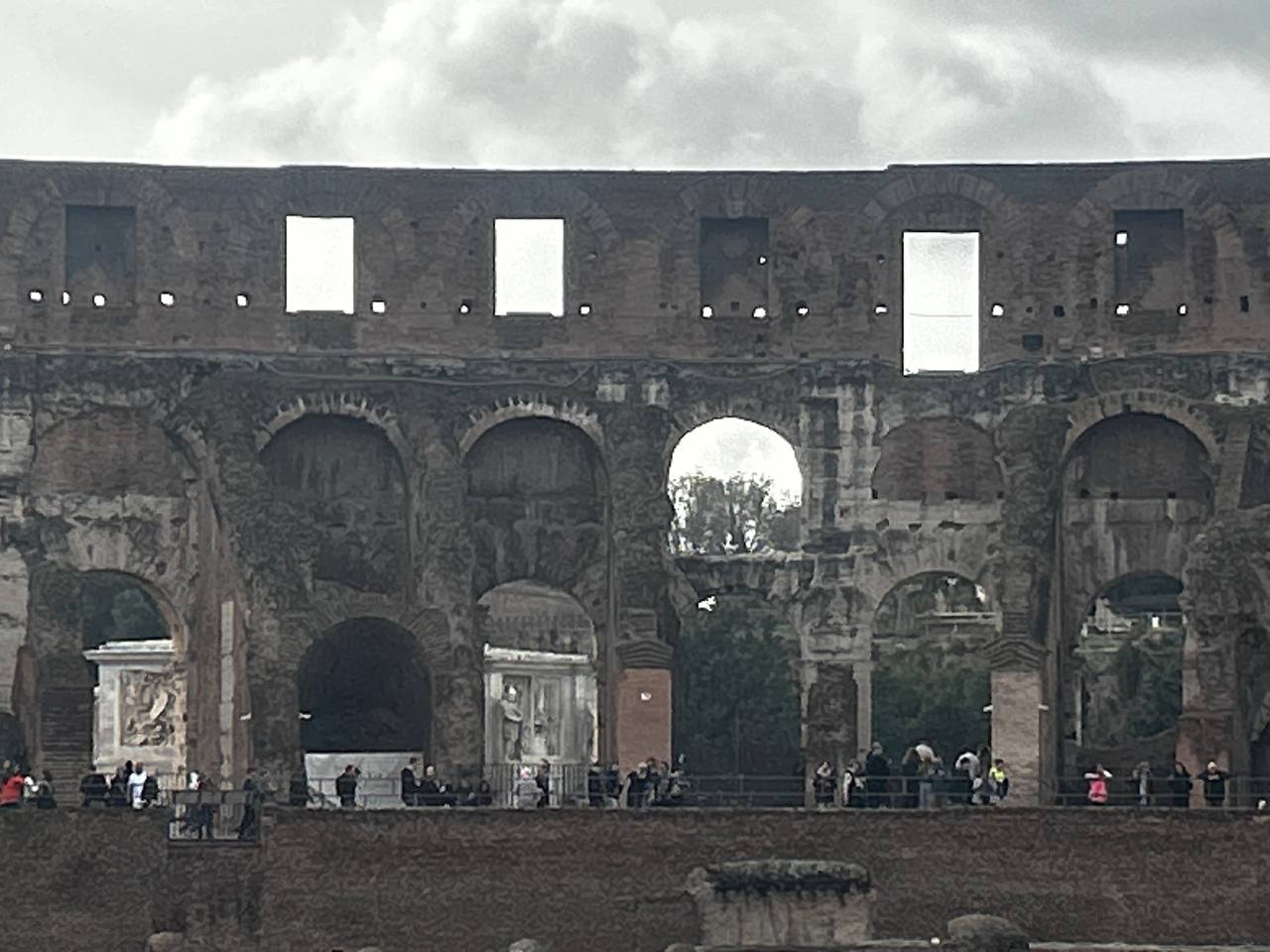
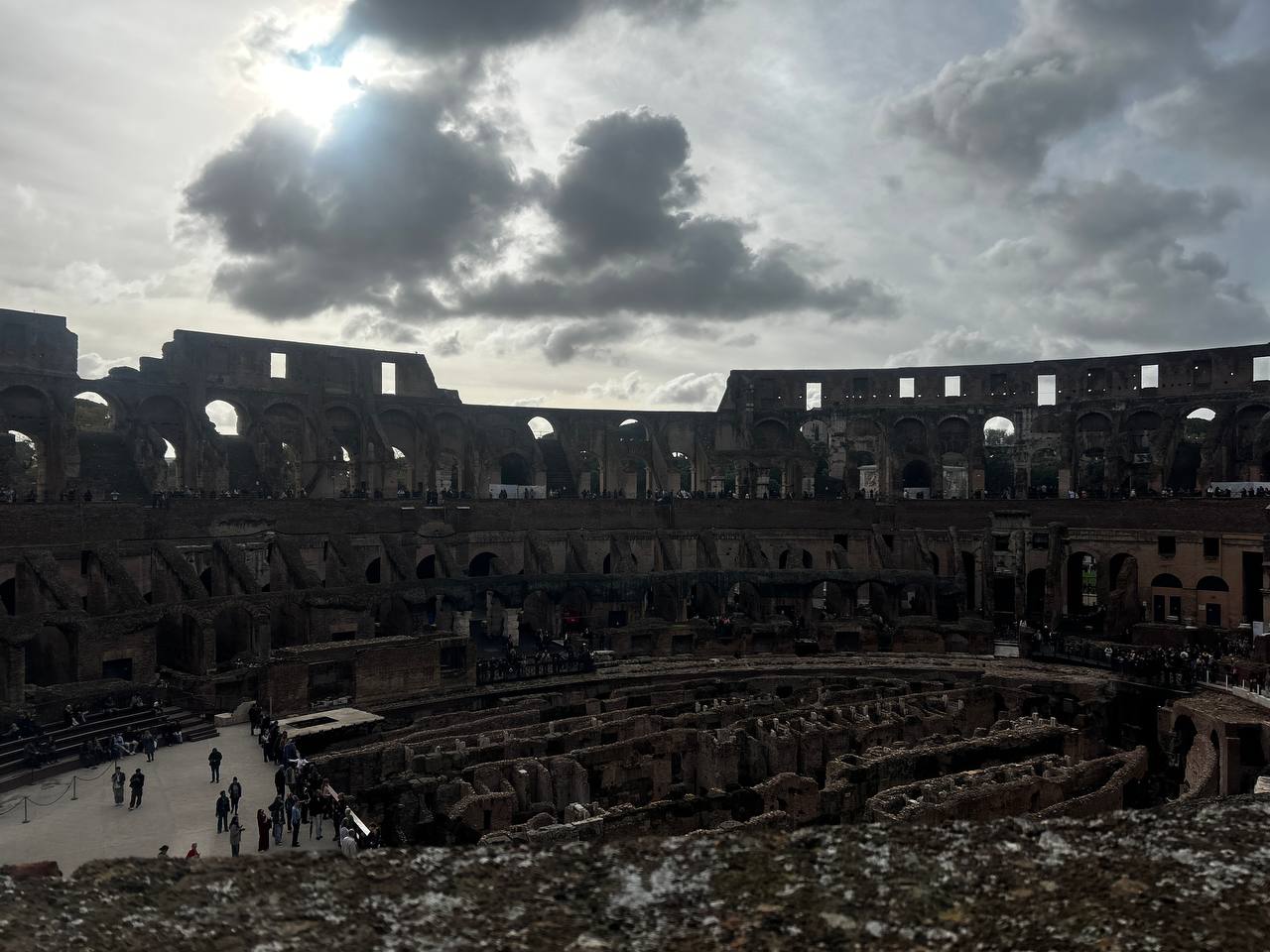
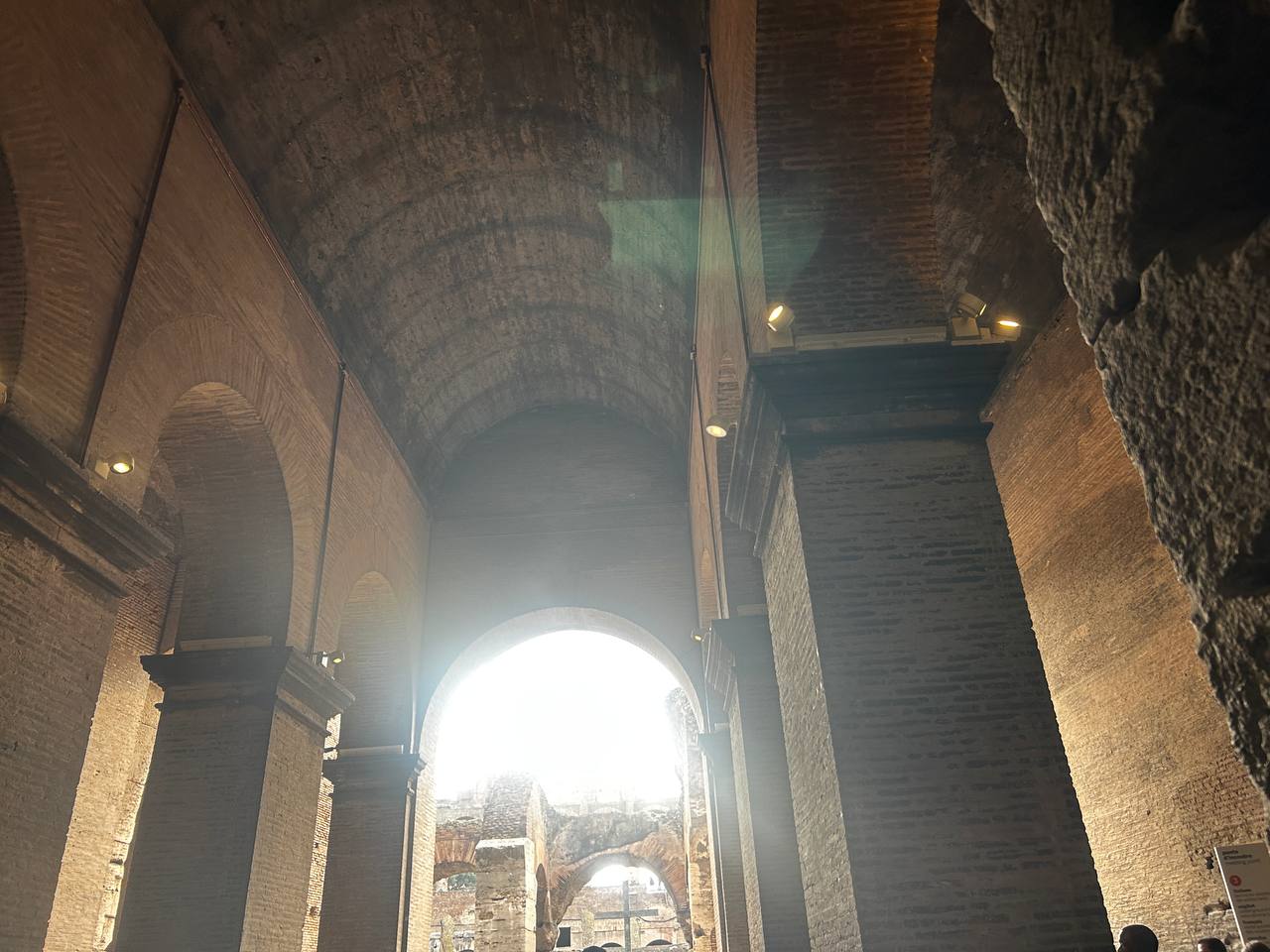
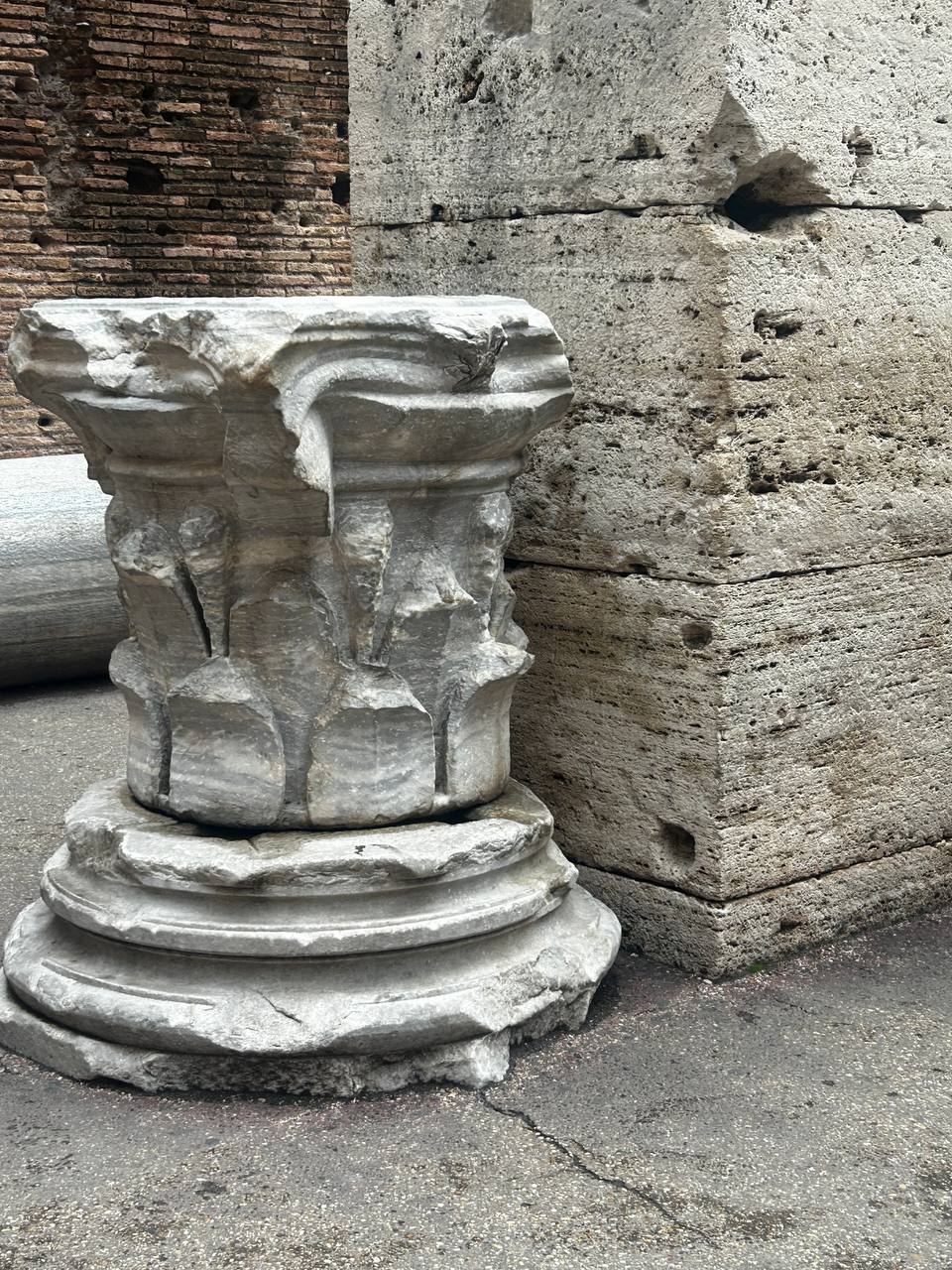
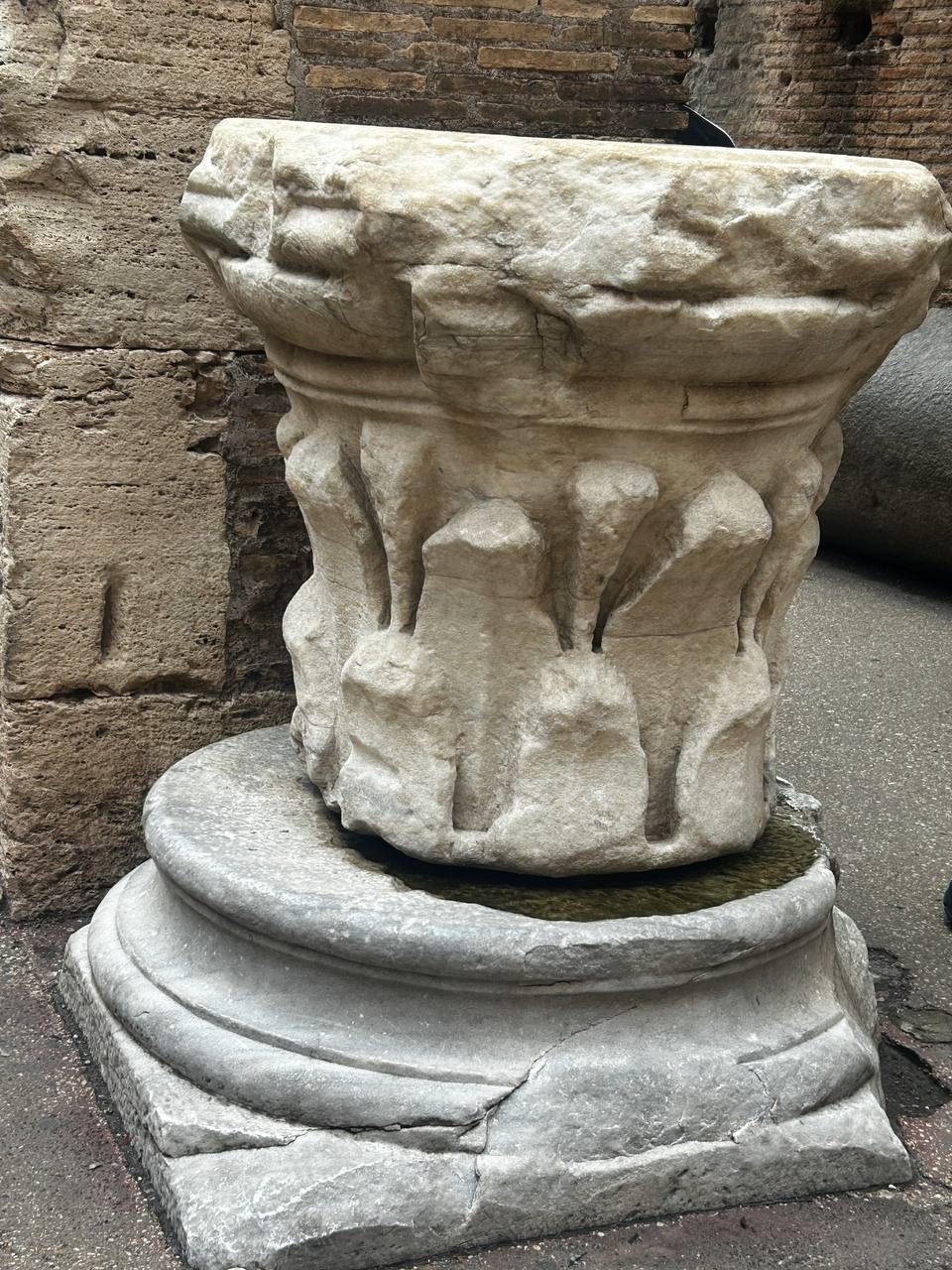
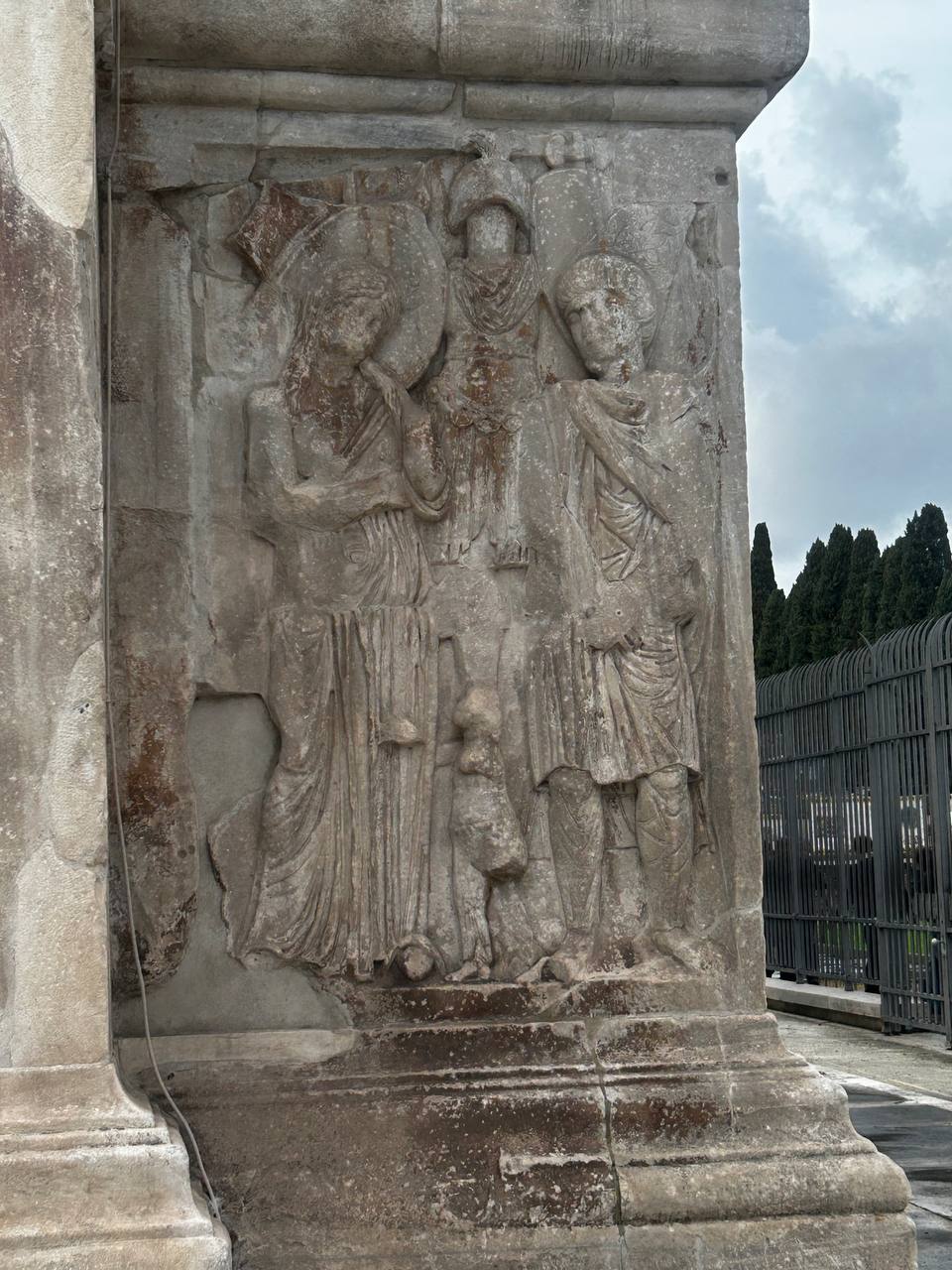
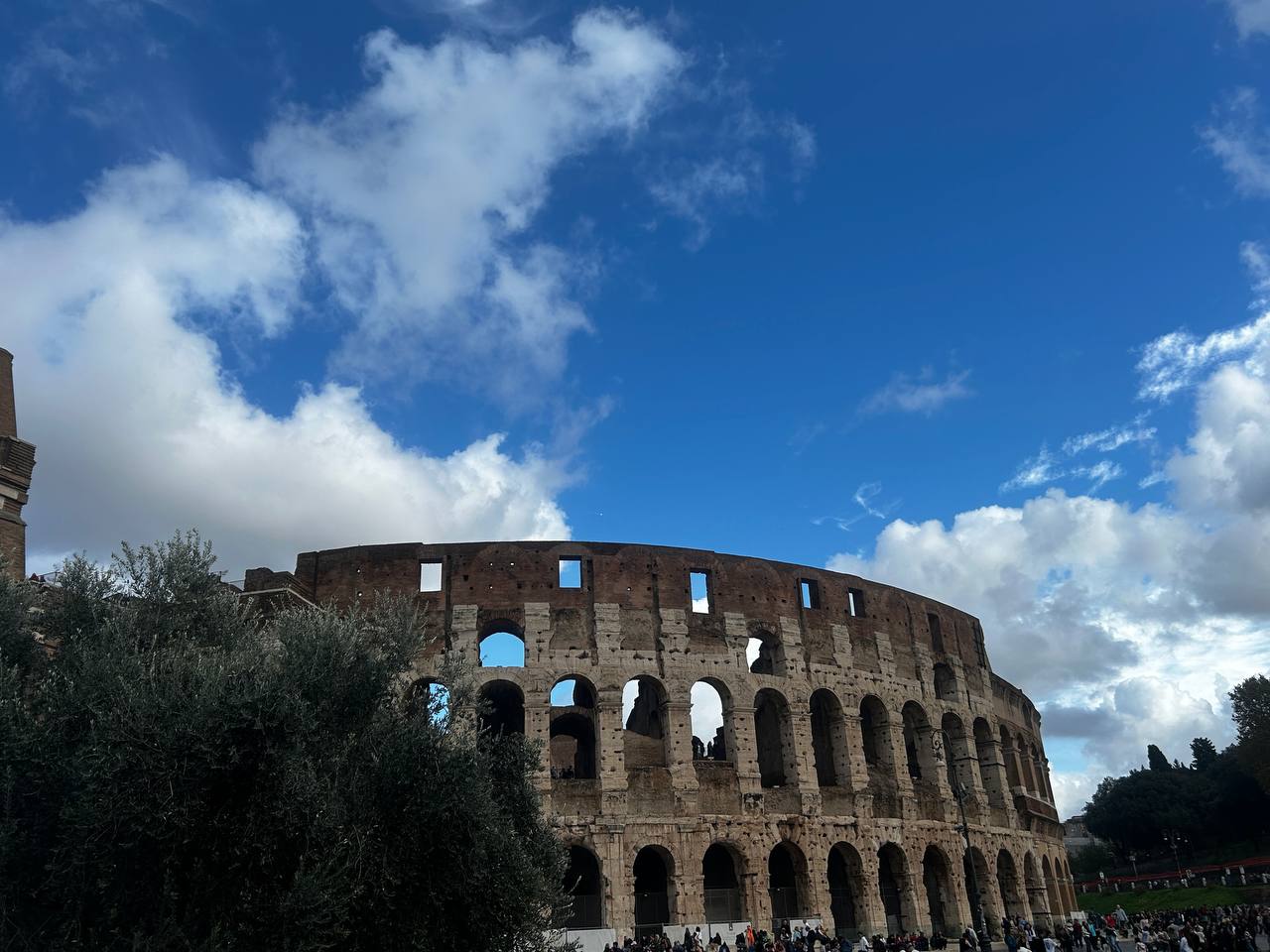
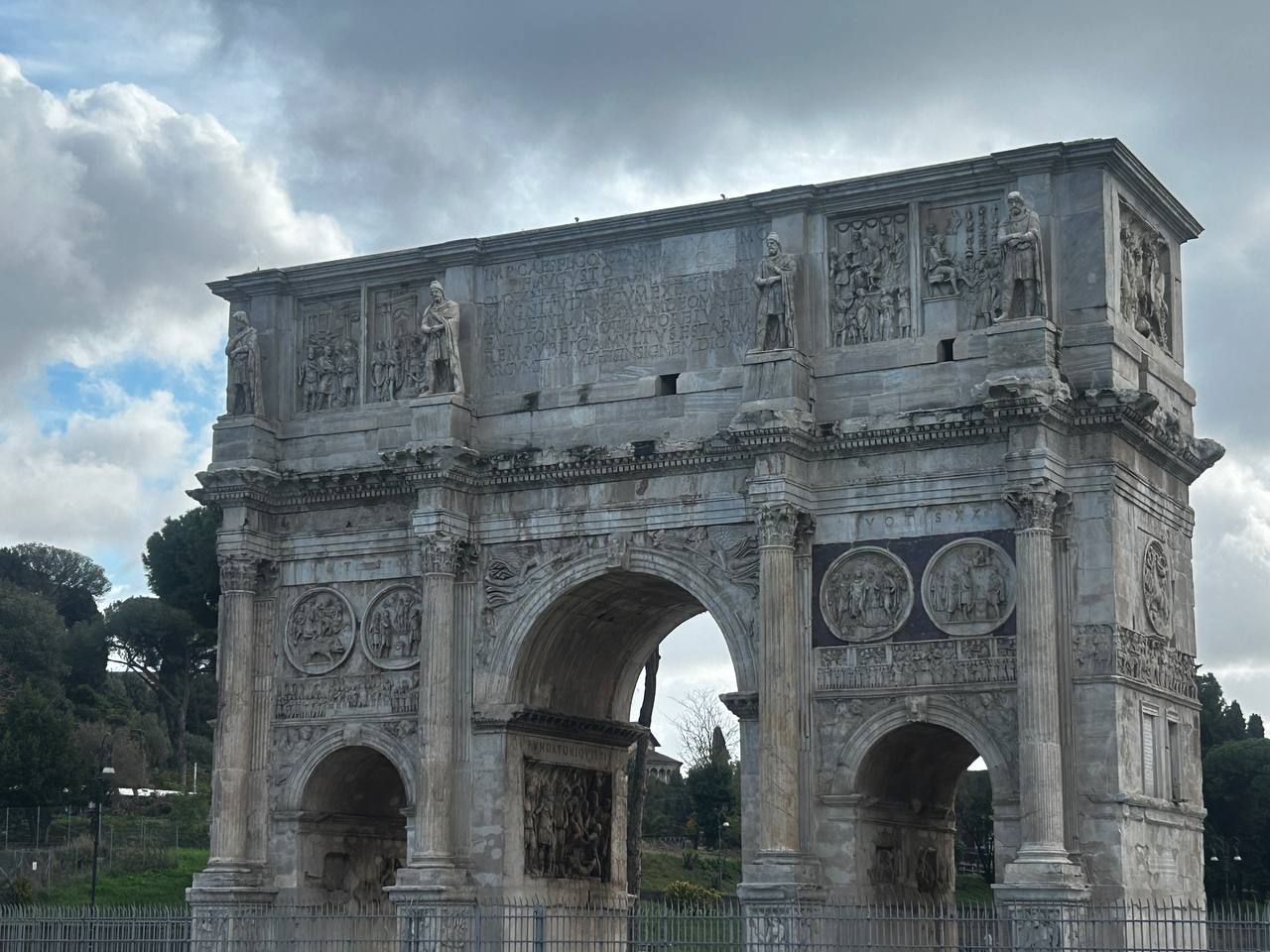
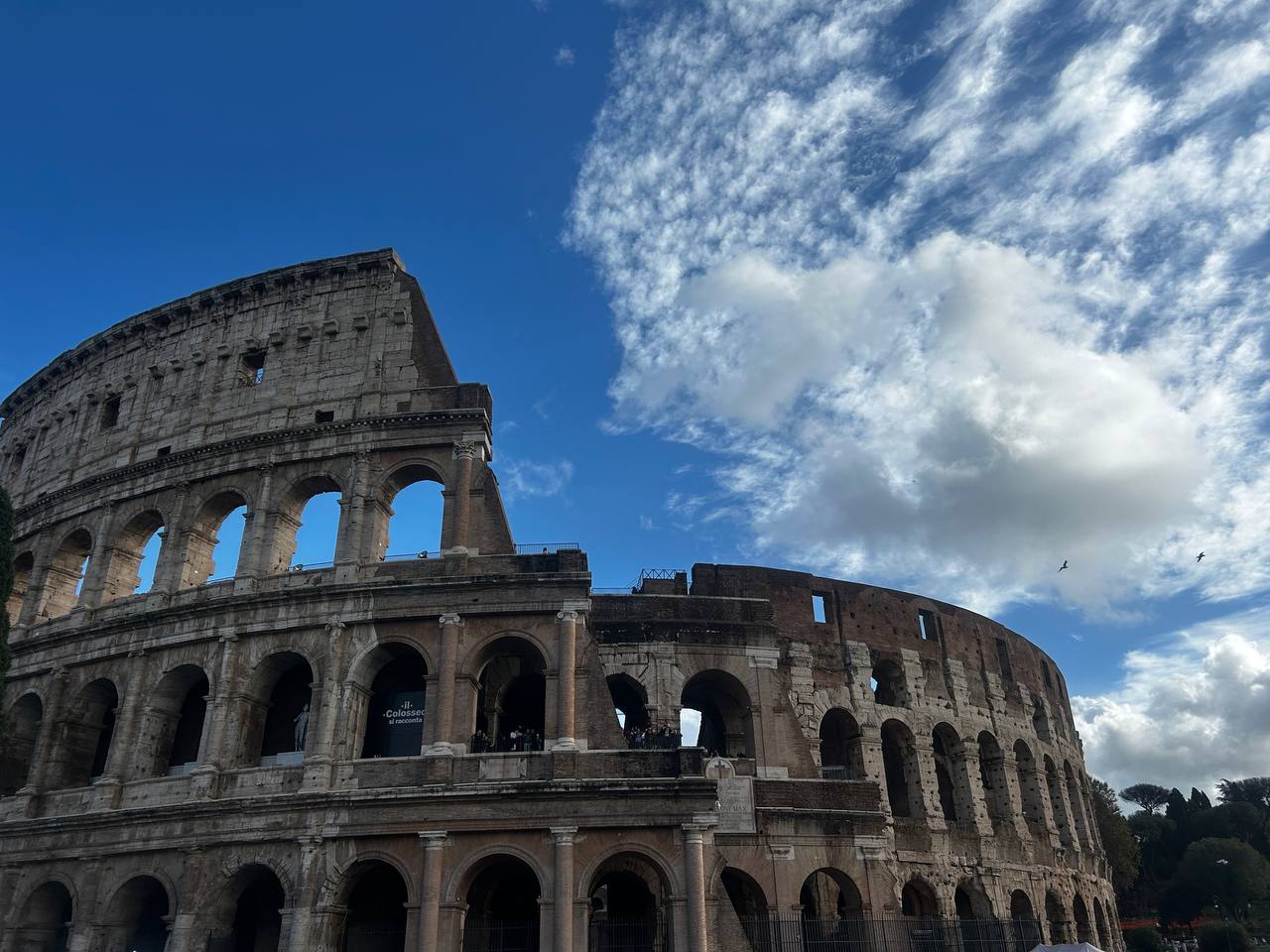
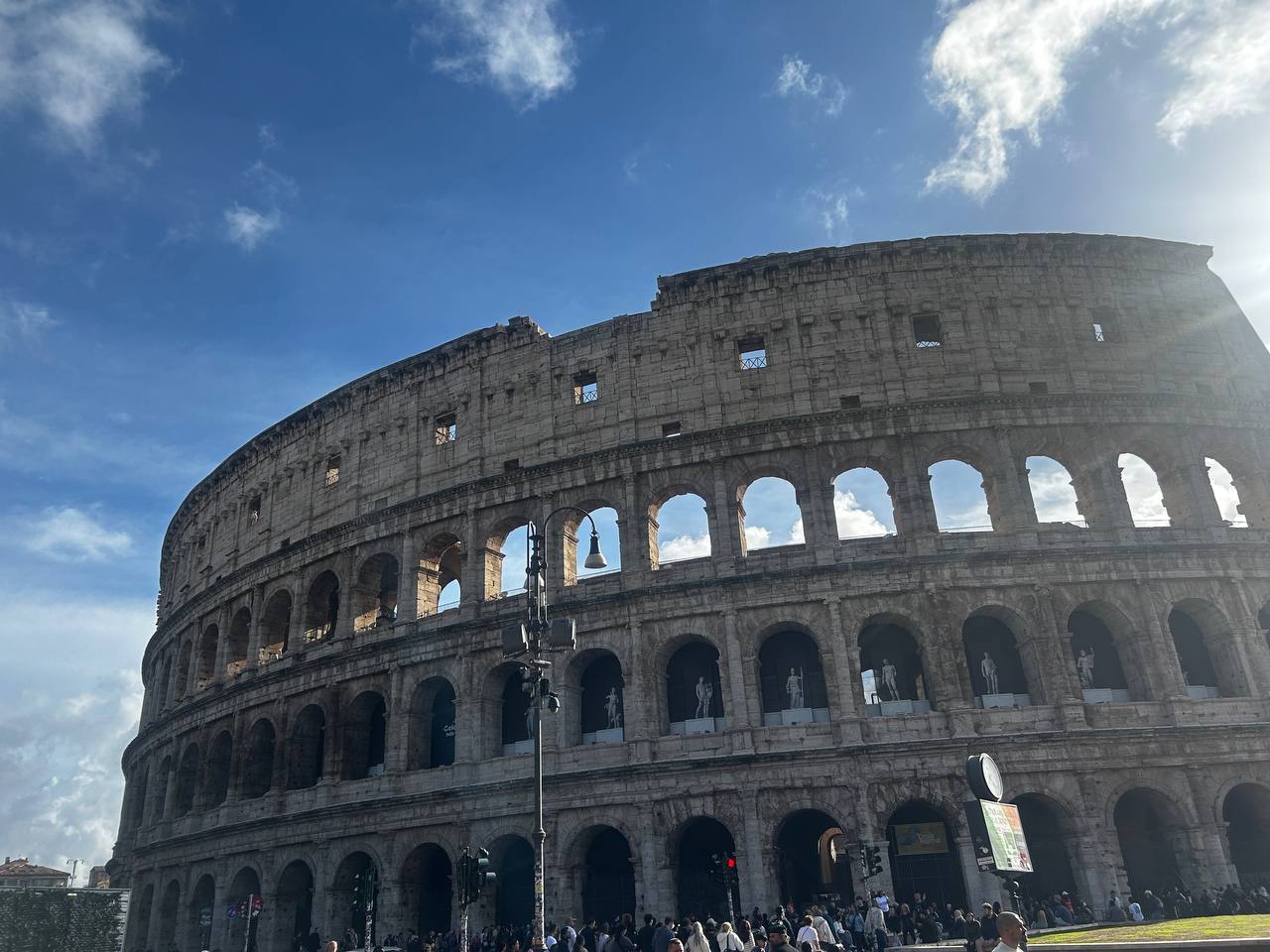
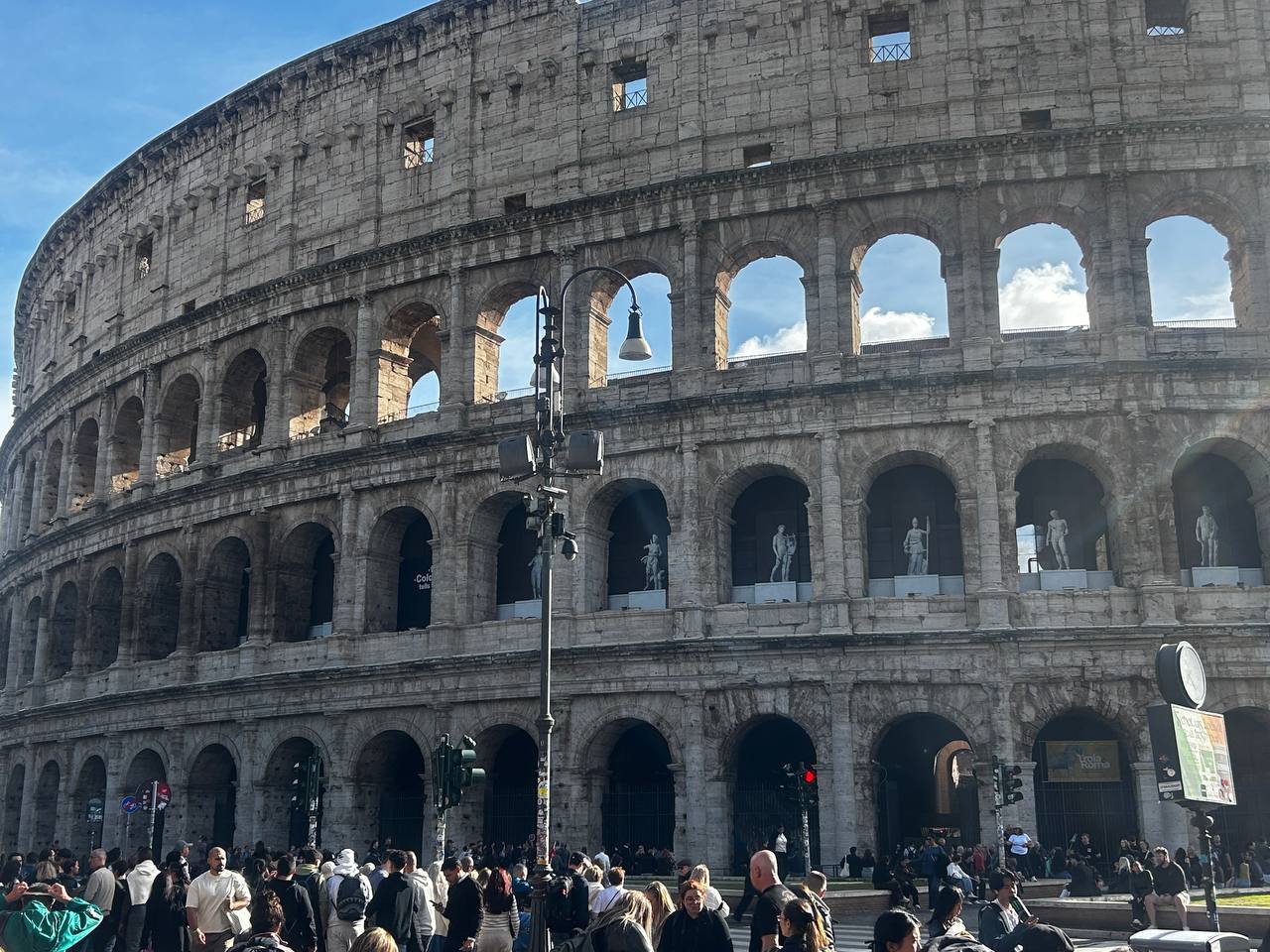
The Colosseum, also known as the Flavian Amphitheatre, was begun under Emperor Vespasian around AD 72 and inaugurated by his son, Emperor Titus, in AD 80. It was one of the greatest architectural achievements of the ancient world and could accommodate tens of thousands of spectators.
Here, the Roman people gathered to witness gladiatorial contests, hunts involving wild animals, and public executions. The spectacles were intended not merely as entertainment but also as demonstrations of imperial authority and Roman power.
The arena became a place where human life could be treated as a spectacle, where the suffering and death of others were offered to the crowds for their amusement.
It is difficult for a Christian to stand before this enormous structure without contemplating the contrast between the values of the pagan Roman world and the Gospel of Jesus Christ. The Empire celebrated strength, domination, military conquest, and worldly glory. The Church proclaimed humility, mercy, self-sacrifice, and the Kingdom of God.
And yet, it was precisely within this world that the Christian Faith began to take root and spread.
During the first centuries of Christianity, the followers of Christ experienced repeated periods of persecution under various Roman emperors.
The Christian refusal to worship the pagan gods, offer sacrifices to the emperor, or participate in the religious ceremonies of the state was often interpreted as disloyalty to Rome. Christians were accused of undermining the established order and were sometimes subjected to imprisonment, torture, exile, and execution.
One of the earliest major persecutions took place under Emperor Nero following the great fire of Rome in AD 64. The Roman historian Tacitus records that Christians were subjected to terrible punishments, including being covered with animal skins and torn apart by dogs, crucified, or burned as living torches.
These events are especially significant because they remind us that the persecution of Christians was not simply a later religious legend. The hostility directed against the early Church is documented even by pagan Roman historians.
Christians were indeed condemned to death in Roman arenas and places of public execution. Some were exposed to wild animals, others were burned, beheaded, or subjected to other forms of punishment. Their crime, in the eyes of their persecutors, was often nothing more than their refusal to renounce Christ.
The important point is that the martyrs were real. Their witness was real. Their suffering was real. Whether every individual martyr can be connected to the stones of this particular arena is a separate historical question.
The word martyr comes from the Greek word μάρτυς, meaning witness. A martyr is one who bears witness to the truth, and in the Christian understanding, the supreme witness is that of one who remains faithful to Christ even unto death.
The early Christians understood that their allegiance belonged first and foremost to Christ, not to the emperor, not to the political authorities, and not to the passing glory of this world.
They did not take up arms to overthrow the Roman Empire. They did not seek revenge against their persecutors. They bore witness through their steadfast confession, their patience, their prayers, and their willingness to suffer rather than deny the Lord.
The Church remembers these holy men and women not because they sought death, but because they loved Christ more than life itself.
Their example remains a challenge to every generation of Christians. We may not face the same arenas or the same instruments of torture, but we are continually called to confess Christ faithfully in a world that often places worldly success, comfort, power, and personal advancement above the truth of the Gospel.
The martyrs remind us that Christianity is not merely a cultural inheritance or an intellectual position. It is a life of faithfulness to Christ.
Over the centuries, the Colosseum underwent many transformations. It suffered damage from earthquakes, was stripped of much of its original material, and was used for various purposes. Christian devotion gradually became associated with the monument, particularly from the early modern period onward.
The contrast is striking: the empire that possessed the power to sentence Christians to death could not extinguish the Faith for which they died.
As we stand before the Colosseum, we should not see only the magnificence of ancient Roman architecture, nor should we be concerned merely with the historical details of gladiatorial contests and imperial entertainment.
We should remember the countless witnesses of Christ who lived and died during those difficult centuries. We should remember the Apostles, the hieromartyrs, the holy women, the confessors, and all those whose names are known to God, even when the details of their earthly lives have been lost to history.
The true monument to the martyrs is not a building of stone. It is the living Church, which preserves their memory, celebrates their victories, and continues to proclaim the same Faith for which they suffered.
The Colosseum was built to display the glory of Rome. Today, its ruins remind us of the transience of earthly power. The Christian martyrs, on the other hand, remind us of a Kingdom that has no end.
For the glory of this world passes away, but the witness of those who remain faithful to Christ is eternal.
May the Lord grant us the faith, courage, and steadfastness of the holy martyrs, that we too may remain faithful to Him in all circumstances, confessing Christ not only with our lips but with our entire lives.
Memory eternal to all the holy martyrs who suffered for the Orthodox Faith!