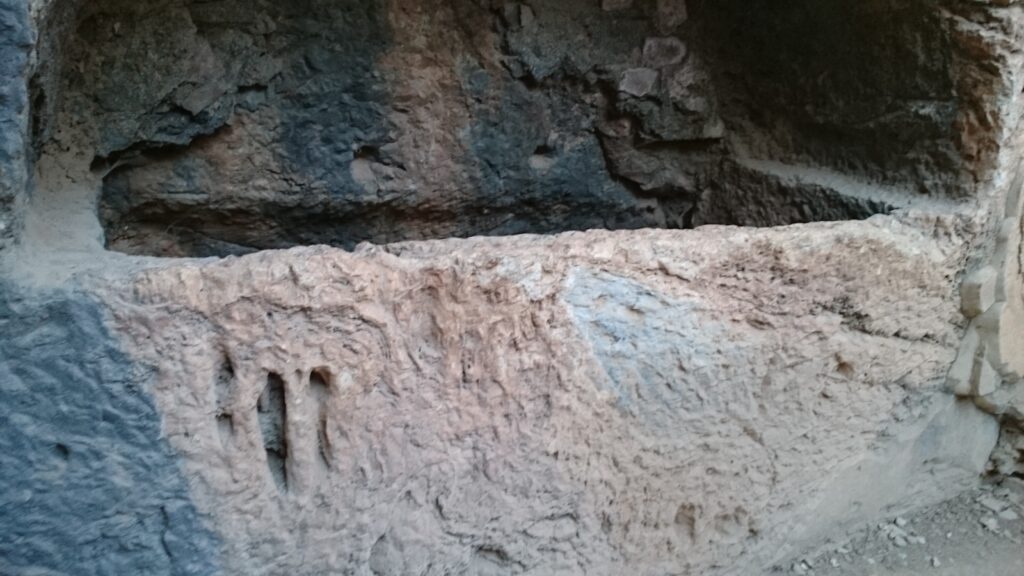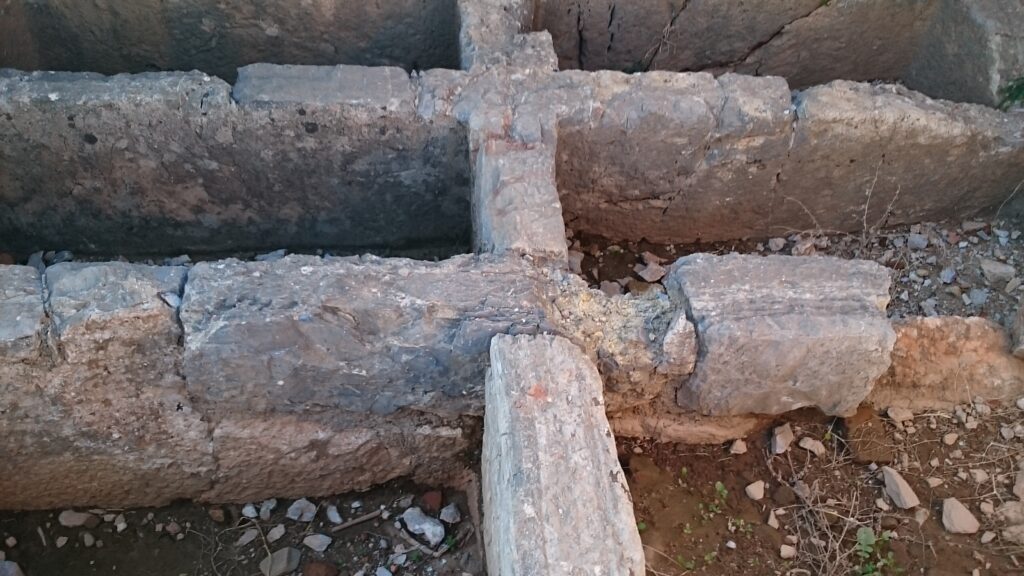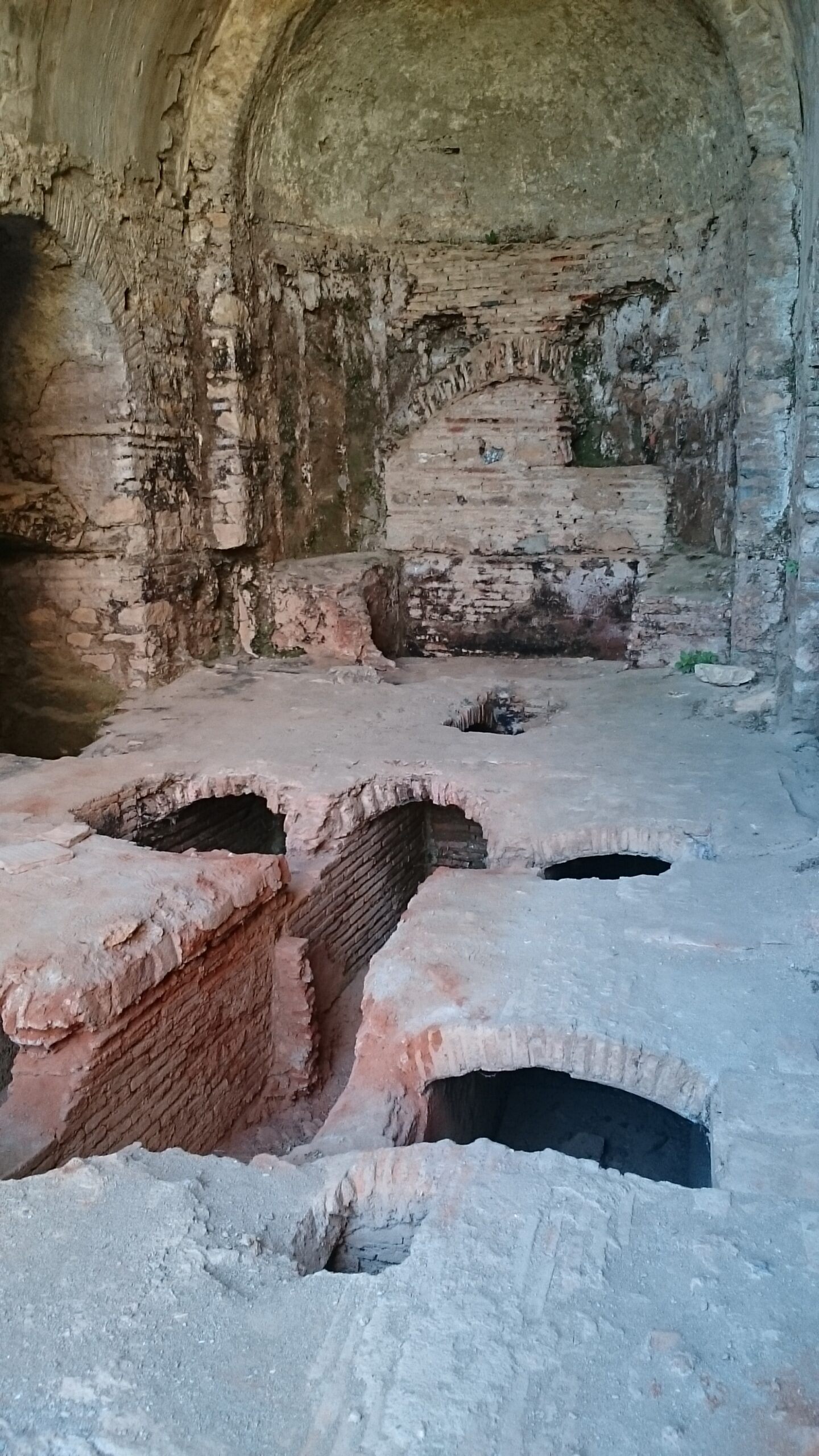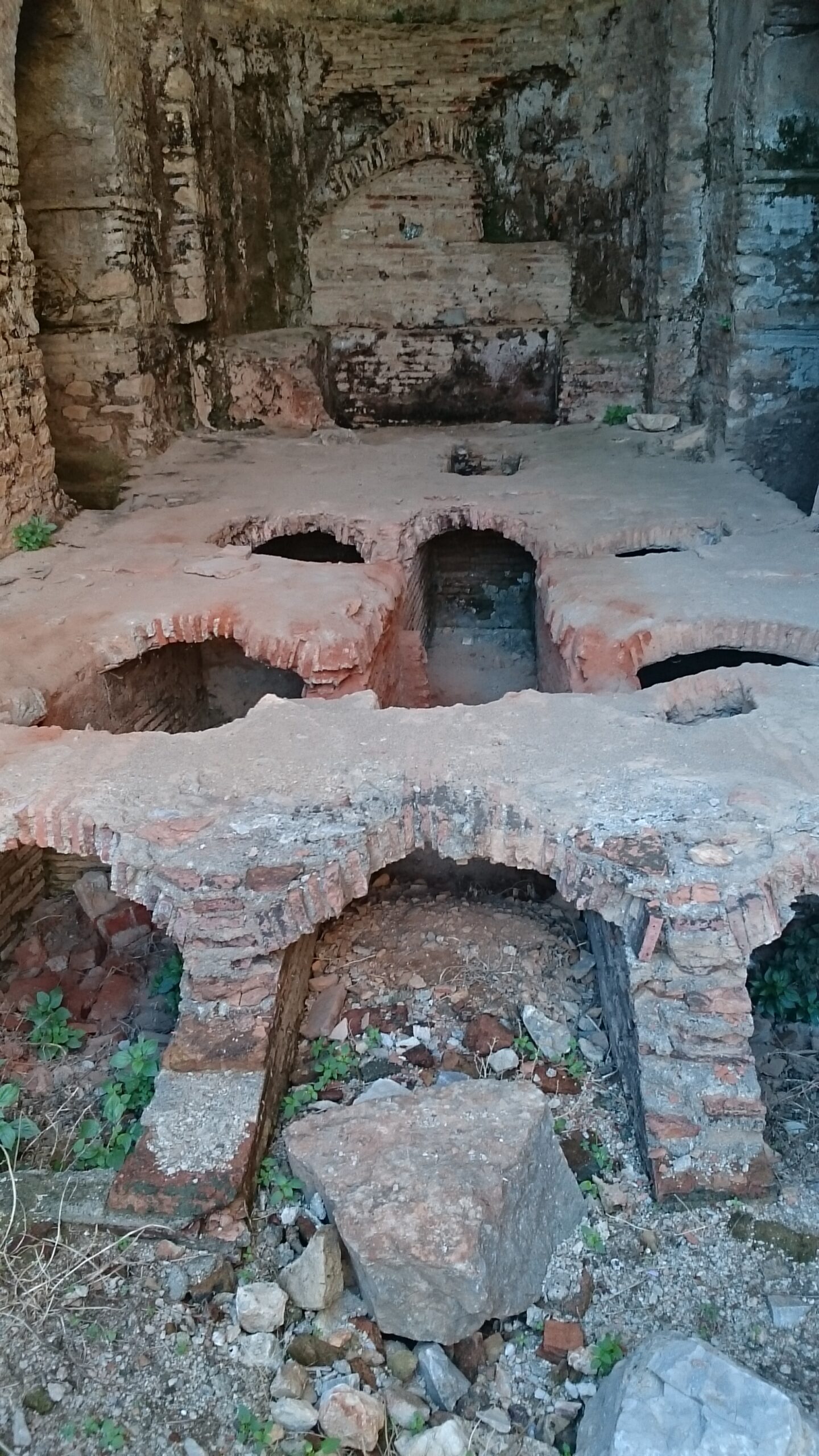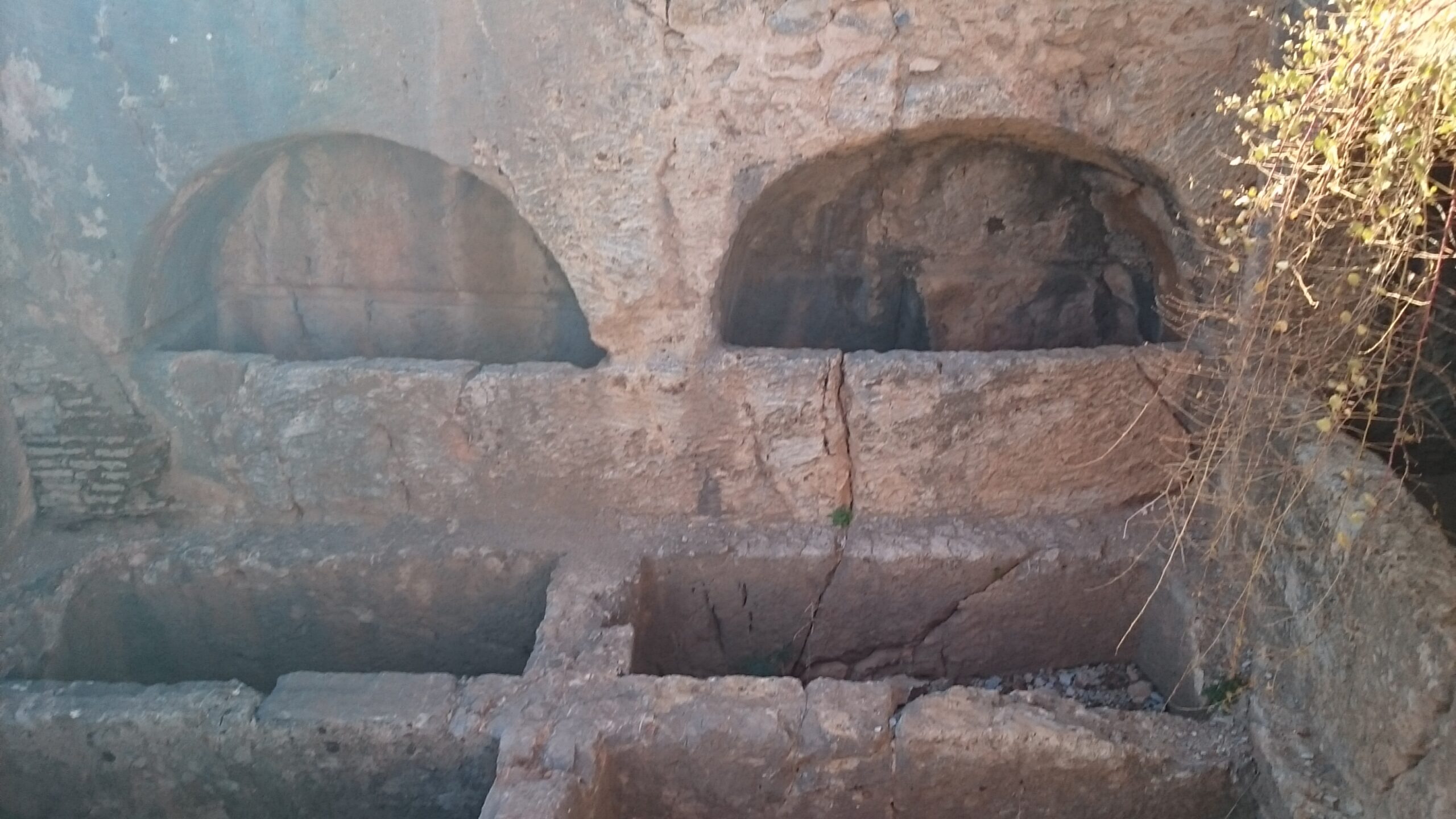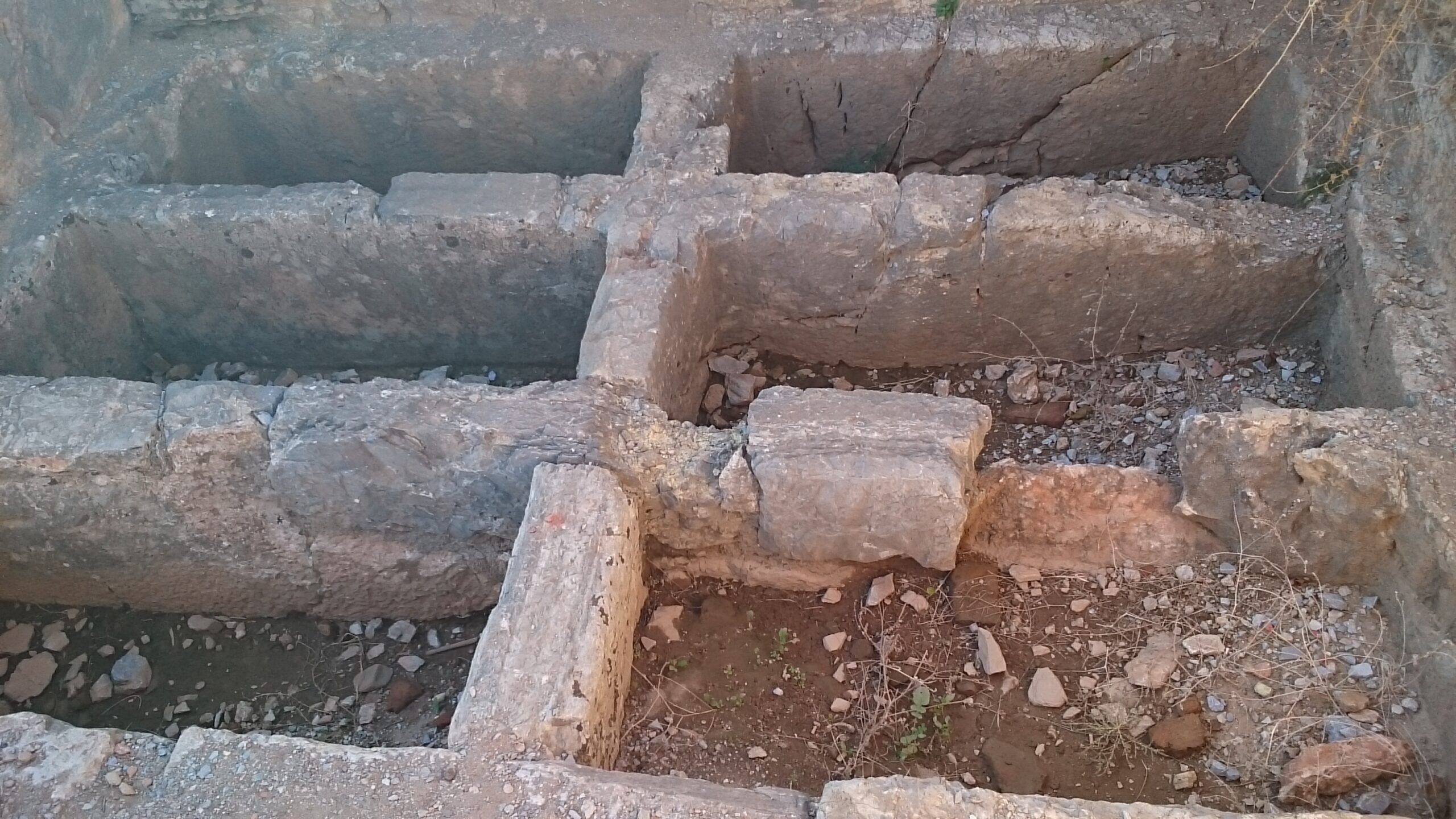

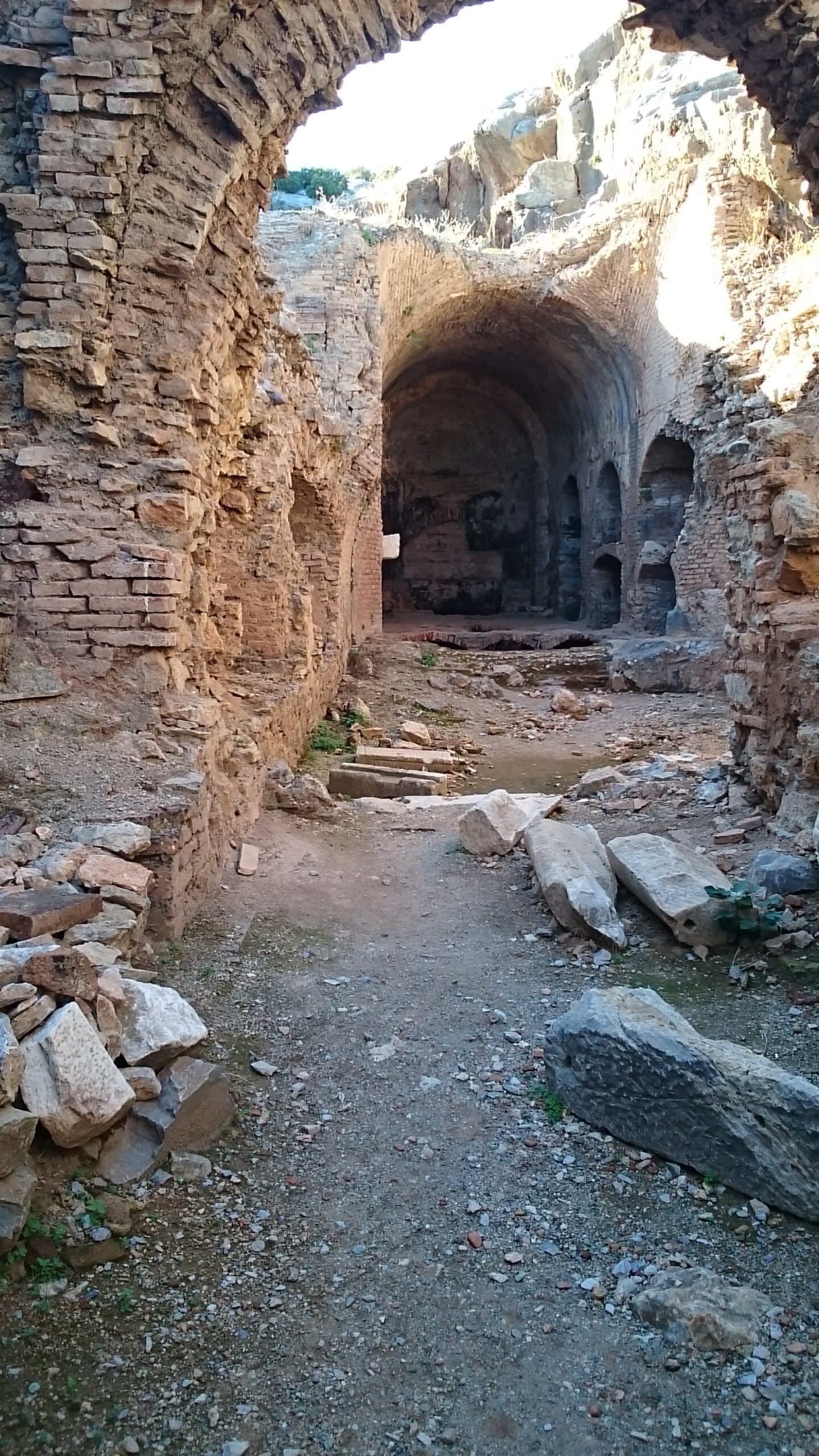
The Cave of the Seven Holy Sleepers and Martyrs as it is Today in Ephesus
The Seven Holy Sleepers of Ephesus: A Witness to the Resurrection
There are places in the Holy Land and throughout the ancient Christian world where history and the living faith of the Church seem to meet in a particularly powerful way. One such place is the cave near Ephesus where, according to the tradition of the Orthodox Church, the Seven Holy Youths of Ephesus—the Seven Sleepers—were hidden during the persecution of the Emperor Decius.
I have visited this cave in Ephesus, and at the end of this article I have included a photo gallery of the cave and the site as it appears today. Standing there, one cannot help but think about the extraordinary events that the Church has preserved for us through the centuries.
The cave itself is quiet. The surrounding ruins are ancient. The great Christian city of Ephesus, once one of the most important cities of the Roman world and a city associated with the preaching of the Apostle Paul and the early Church, has largely disappeared.
But the testimony of seven young Christians has not disappeared.
Their story speaks directly to one of the most important truths of our Christian faith: Christ has conquered death, and those who die in Him will rise again.
Seven Young Christians Who Would Not Deny Christ
The Seven Holy Youths lived in Ephesus during the third century, during the persecution of the Emperor Decius, around the year 250.
According to the Orthodox tradition, they were young men from distinguished families and were serving in the military. When Decius came to Ephesus, he demanded that Christians offer sacrifice to the pagan gods. Those who refused faced punishment and death.
The seven young men refused.
They openly confessed their faith in Jesus Christ and would not participate in the pagan sacrifices. Because of this, they were stripped of their military rank and possessions and were threatened with death.
Rather than deny Christ, they withdrew to a cave on Mount Ochlon outside the city. There they devoted themselves to prayer, preparing themselves to die rather than abandon their faith.
Their retreat was not an act of cowardice. They had already confessed Christ. They were simply awaiting the moment when they would be required to give their lives for Him.
But God had something else in store for them.
The Sleep in the Cave
When the Emperor learned where the young men were hiding, he ordered the entrance of the cave to be sealed with stones. The intention was that the youths would perish there.
But the Lord did not allow them to die.
Instead, He caused them to fall into a miraculous sleep.
The Orthodox tradition tells us that they remained asleep for approximately 184 years.
Imagine this.
They entered the cave in the time of a pagan Roman emperor. They fell asleep while Christians were being persecuted and killed. And when they awoke, the entire world around them had changed.
The empire that had persecuted them had become Christian.
The pagan world they had known was gone.
And they themselves had become a living testimony to something far greater than the passing of earthly kingdoms.
When They Awoke, the World Had Changed
During the reign of the Christian Emperor Theodosius the Younger, a dispute arose concerning the Resurrection of the dead. Some were denying the reality of the bodily Resurrection and the teaching of the Church concerning the resurrection at the Second Coming of Christ.
It was precisely at this time that God awakened the Seven Youths.
One of them, Saint Iamblicus, went into the city to obtain bread. He was astonished by what he saw. The city was no longer the city he had known. Even the money he carried bore the image of the Emperor Decius, who had been dead for generations.
The strange coins attracted attention, and Iamblicus was taken before the authorities.
His story seemed impossible.
Eventually the mystery was revealed. The bishop and others went to the cave, where they discovered the sealed entrance and the account of the seven youths. When they entered, they found the young men alive.
The Church understood what God was revealing through them.
The Seven Youths had not simply been preserved as an extraordinary curiosity.
God had awakened them as a testimony to the Resurrection of the dead.
The Resurrection Is Not a Metaphor
This is perhaps the most important reason why the Seven Sleepers remain so important to Christians today.
We live in an age in which people increasingly reduce Christianity to morality, psychology, tradition, or symbolism. Even among those who call themselves Christians, the Resurrection can sometimes be treated as an inspiring religious idea rather than the central reality of our faith.
But the Christian faith does not teach that the soul merely continues to exist in some vague spiritual sense.
We believe in the resurrection of the body.
We confess in the Creed that we await:
“the resurrection of the dead, and the life of the age to come.”
The Seven Holy Youths were given as a sign of this truth.
They entered the cave alive.
They slept.
They awakened after generations had passed.
And then, after bearing witness to the truth of the Resurrection, they again reposed in the Lord.
The Orthodox tradition records that they fell asleep again, this time awaiting the General Resurrection.
Their temporary awakening was not the final Resurrection.
It was a sign pointing toward it.
They Awoke to a World That Had Disappeared
There is another aspect of their story that speaks very powerfully to us today.
The Seven Youths went to sleep in one world and awoke in another.
When they entered the cave, the Roman Empire was pagan. Christianity was persecuted. The Emperor Decius commanded Christians to sacrifice to false gods.
When they awoke, the persecutions had ended and Christianity had become publicly established.
The world had changed almost beyond recognition.
And yet the faith of the seven young men had not changed.
Christ had not changed.
This is a lesson that modern Christians desperately need. I often feel that I have awoken in a different age – but it seems to be the opposite of what the 7 Holy Youth found. I feel asleep in still somewhat pious (or at least piety existed) world and have woken up to chaos.
We too live in a rapidly changing world. Things that once seemed permanent can disappear within a few years. Governments change. Societies change. Moral standards change. The culture surrounding us can change with astonishing speed.
What was considered normal yesterday can be condemned tomorrow, while things once considered shameful can suddenly be celebrated.
But the Christian does not measure truth by the changing standards of the world.
The Seven Sleepers remind us that the world passes.
Christ remains.
They Chose Eternity Over the Comforts of This World
The Church’s hymnography gives us another important key to understanding the saints.
The Kontakion of the Seven Youths praises them because they rejected the things of this passing world and sought the eternal things of Heaven.
This is precisely the spiritual struggle facing every Christian.
We are constantly encouraged to live as though this present life were all that exists.
Acquire more.
Possess more.
Enjoy more.
Protect yourself.
Build your earthly future.
Make yourself comfortable.
But the Seven Holy Youths remind us that this world is passing away.
They were young. They had families and social standing. They had military positions and the possibility of an ordinary earthly life.
Yet when they were confronted with the choice between Christ and the world, they chose Christ.
And in the end, the world they had been asked to preserve themselves for disappeared anyway.
Their earthly lives became a testimony to something eternal.
The Cave Is Still There
Today, visitors can see the area associated with the Seven Sleepers near ancient Ephesus.
The surrounding landscape is very different from the city they knew. The pagan temples and Roman buildings are ruins. The ancient world has become archaeology.
But the cave remains.
When we look at such places, it is tempting to think only about the past.
But the Seven Sleepers direct our attention toward the future.
Their story does not ultimately concern a cave.
It concerns death and life.
It concerns the Christian hope that death does not have the final word.
It concerns the promise of Christ:
“I am the resurrection and the life.”
The Seven Youths slept in a cave for generations, but death could not destroy them.
And neither will death have the final victory over those who belong to Christ.
What Do the Seven Sleepers Say to Us Today?
Perhaps their message can be expressed very simply:
Do not be afraid when the world changes.
The world has changed before.
Empires have risen and fallen.
Persecutors have died.
Cities have become ruins.
Civilizations that seemed permanent have vanished.
But Christ remains.
The Seven Youths entered the cave trusting in God, not knowing what would happen to them. When they awoke, the world they knew had disappeared. Yet they discovered that God’s providence had not failed.
Their story therefore gives courage to Christians living in uncertain times.
We do not know what the world will look like tomorrow.
We do not know what changes our children and grandchildren will see.
We do not know how long the present order of things will last.
But we know where history is going.
It is going toward the Resurrection.
It is going toward the judgment of God.
It is going toward the coming Kingdom.
And the Seven Holy Youths stand as witnesses that the promises of God are greater than the passing circumstances of this present life.
Sleeping Until the General Resurrection
After the Seven Youths had given their testimony, they lay down once again in the cave and reposed in the Lord.
They did not remain in this world.
They did not become immortal earthly men.
Their miraculous awakening had served its purpose.
They had witnessed to the truth of the Resurrection, and then they returned to the sleep of death the “general obligation”, awaiting the day when all the dead will rise.
That is where their story meets our own.
We too will die.
Unless Christ returns first, every one of us will eventually lie down in the grave.
But for the Christian, the grave is not the end.
We await the same Resurrection to which the Seven Holy Youths bore witness.
Their temporary awakening was a sign.
Our hope is the final Resurrection.
And therefore, when we look upon the ancient cave at Ephesus, we should not merely see a relic of the distant past.
We should see a reminder of our own future.
The world passes.
The grave is temporary.
Christ is victorious.
And those who die in Christ await the day when they too will hear His voice and rise.
The Cave of the Seven Holy Sleepers Today
I visited the site of the Seven Holy Sleepers at Ephesus and photographed the cave and the surrounding area.
The photographs below show the site as it appears today.
As you look at them, remember that this quiet place was once the refuge of seven young Christians who chose faithfulness to Christ rather than compromise with the world.
Nearly two thousand years later, their witness remains.
The Seven Holy Youths of Ephesus, pray to God for us.
May we have their courage to confess Christ, their detachment from the things of this passing world, and their unwavering hope in the Resurrection of the dead.
Holy Seven Youths of Ephesus: Maximilian, Iamblicus, Martinian, John, Dionysius, Exacustodianus (Constantine), and Antoninus, pray for us.
[PHOTO GALLERY: THE CAVE OF THE SEVEN HOLY SLEEPERS AT EPHESUS]